All posts by admin

What’s The Difference Between A Regular And Level 2 Warehouse Electrician?

Not all electrical work is created equal — and neither are electricians. When it comes to warehouse environments, the distinction between a regular and a Level 2 electrician matters a lot. Understanding this difference helps you avoid costly mistakes, compliance issues, and safety risks. Whether you’re managing a large facility or overseeing electrical maintenance for commercial properties, getting the right person for the job is non-negotiable.

What Does a Regular Warehouse Electrician Do?

A regular warehouse electrician in Bonnyrigg handles general electrical repairs and installations. Their scope of work typically includes:

  • Replacing light fittings and industrial lighting systems
  • Fixing power outlets and three-phase wiring
  • Conducting routine electrical inspections
  • Maintaining switchboards and distribution boards

These tasks are essential for day-to-day operations. However, they don’t extend to high-voltage or metered service connections.

So, What Can a Level 2 Electrician Do That Others Can’t?

A warehouse electrician in Bonnyrigg Heights with Level 2 accreditation is authorised to work on service lines and metered connections directly. This includes:

  • Connecting or disconnecting overhead and underground service lines
  • Installing consumer mains and private power poles
  • Working on off-peak hot water and controlled load systems
  • Upgrading electrical supply capacity for high-demand warehouses

Level 2 work requires special licensing. Only accredited service providers (ASPs) approved by the network distributor can carry out this work legally.

Which One Does Your Warehouse Actually Need?

Task Type Regular Electrician Level 2 Electrician
General wiring repairs
Switchboard upgrades
Mains connection work
Supply capacity upgrades

If your warehouse needs a power upgrade or new supply connection, you need Level 2. For everything else, a regular licensed electrician is sufficient.

Don’t Risk It — Hire Right

warehouse electrician in Mount Pritchard with the correct level of accreditation ensures your facility stays compliant, safe, and operational. Always verify credentials before any high-voltage electrical work begins.

Ready to get the right electrician for your warehouse? Contact a licensed professional today.

FAQs

  1. Can a regular electrician upgrade warehouse power capacity? No. Power capacity upgrades involving service lines require a Level 2 accredited electrician.
  2. How do I verify a Level 2 electrician’s accreditation? Ask for their ASP licence number and verify it with the network distributor.
  3. Is Level 2 work more expensive? Yes, typically. The specialised licensing and equipment involved increases the cost.
  4. Do warehouses need regular electrical inspections? Yes. Regular electrical safety audits are recommended to maintain compliance.
  5. Can one electrician hold both regular and Level 2 licences? Absolutely. Many experienced electricians hold dual accreditation for broader service capability.
How Businesses Can Lower Peak Demand Tariffs

Energy costs are bleeding Australian businesses dry, and most don’t know why. Peak demand tariffs can make up 40–70% of a commercial electricity bill. Smart businesses are now partnering with an electrical contractor in Sydney to cut these costs strategically. The fixes are proven, scalable, and faster to implement than most expect.

Understanding Peak Demand and Power Factor Correction

Peak demand charges are calculated from your highest 15–30 minute consumption window each billing cycle. One spike can inflate your entire month’s bill.

Power factor correction (PFC) reduces reactive power waste in your system. Poor power factor means your switchboard draws more current than it actually uses.

Benefits of PFC include:

  • Lower kVA demand charges
  • Reduced heat and wear on cabling
  • Improved electrical system efficiency

An industrial electrician in Cecil Park can assess your current power factor and install correction capacitors where needed. It’s one of the highest-ROI upgrades available.

LED High-Bay Retrofitting: The Smartest Upgrade for Large Warehouses

Lighting is a massive peak demand contributor in distribution centres. Old metal halide or fluorescent high-bays draw significant load — especially during startup surges.

LED high-bay retrofitting slashes lighting energy use by up to 70%. Better still, LEDs eliminate inrush current spikes that push demand charges higher.

Key advantages:

  • Instant-on with zero inrush current
  • Longer lifespan reduces maintenance costs
  • Compatible with motion sensor controls for further savings

An industrial electrician in Canley Vale experienced in commercial LED retrofits, can design a staged rollout that minimises downtime completely.

The ROI of Scheduled Switchboard Thermal Imaging

Switchboard thermal imaging uses infrared cameras to detect hotspots before failure occurs. Loose connections and overloaded circuits generate heat — often invisible to the naked eye.

Businesses using electrical services in Wetherill Park for scheduled thermal scans typically see:

Benefit Outcome
Early fault detection Avoids costly downtime
Insurance compliance Reduces premium risk
Extended asset life Lower capital expenditure

24/7 electrical services in Sydney providers recommend thermal imaging at least annually for any site with a high electrical load.

Ready to Lower Your Peak Demand Tariffs?

Don’t wait for the next bill shock. Contact a qualified electrical contractor in Sydney today and book your energy audit now.

FAQs

  1. How often should power factor correction be reviewed?
    Annually, or after any major equipment addition.
  2. Can thermal imaging be done while the switchboard is live?
    Yes — it’s non-invasive and requires no shutdown.
  3. Does LED retrofitting qualify for any Australian incentives?
    Various state-based energy efficiency schemes may apply. Ask your electrician.
  4. What’s the typical payback period for LED high-bay upgrades?
    Usually 18–36 months, depending on operating hours.
  5. Is power factor correction suitable for smaller commercial sites?
    Yes, especially sites with heavy motor-driven equipment or HVAC systems.

Why Should Every Factory Invest in a 24/7 Industrial Electrician for Emergency Repairs?

Factory electrical emergencies can happen at any moment, even during nights or weekends. These unexpected breakdowns cost businesses thousands of pounds in lost productivity every single hour. Having a 24/7 industrial electrician in Wetherill Park means your facility never stops operating due to electrical issues. Investing in round-the-clock electrical support is not just smart business – it is essential protection for your factory’s future.

The Real Cost of Electrical Downtime

Factory downtime due to electrical failures creates massive financial losses instantly. Production lines stop working, orders miss deadlines, and employee wages continue despite zero output. These emergencies demand immediate professional attention from skilled technicians. Every minute without power translates to revenue disappearing from your business.

Unexpected electrical breakdowns also risk damaging expensive manufacturing equipment permanently. Equipment damage can cost far more than regular maintenance and repairs combined. A single electrical surge or failure might destroy machinery worth hundreds of thousands of dollars. Professional emergency electrical repair services prevent these catastrophic losses effectively.

Safety Hazards in Industrial Electrical Emergencies

Faulty electrical systems pose a serious safety risk to factory workers. Live wires, electrical fires, and shock hazards can cause severe injuries or fatalities. Untrained staff attempting repairs creates dangerous situations that endanger lives. Industrial electrical services in Sydney ensure only qualified professionals handle these hazardous situations safely.

Proper electrical compliance and safety standards require trained specialists for emergency work. Professional electricians understand safety protocols and regulations completely. They carry proper equipment, follow procedures, and protect workers from harm effectively. This expertise prevents workplace accidents and serious injuries from occurring.

Why 24/7 Availability Matters

Manufacturing never stops, and electrical problems never wait for business hours. Emergencies can occur on weekends, holidays, and overnight shifts unexpectedly. A 24/7 industrial electrician in Wetherill Park provides immediate response whenever disasters strike. Rapid response minimises downtime and prevents small issues from becoming major problems.

  • Instant emergency response reduces production losses significantly
  • Faster repairs prevent equipment damage from escalating further
  • Professional expertise solves problems correctly the first time
  • Peace of mind knowing help is always available immediately
  • Preventive maintenance schedules keep systems running smoothly

Equipment Protection and Longevity

Industrial electrical systems require regular maintenance and immediate attention to problems. Neglected electrical issues cause cascading failures throughout factory equipment. Professional maintenance extends equipment lifespan significantly. An industrial electrician in Smithfield performs comprehensive inspections and preventive work.

Proper electrical system maintenance keeps machinery operating at peak efficiency always. Modern manufacturing equipment depends on stable, reliable electrical power continuously. Professional electricians identify potential problems before they cause shutdowns. Regular electrical system inspections and maintenance save money long-term.

Compliance and Regulatory Requirements

Factories must always meet strict electrical safety standards and regulations. Qualified electricians ensure your facility maintains proper compliance continuously. Professional inspections verify that safety standards are met and exceeded regularly. Regulatory compliance protects your business from fines and shutdowns effectively.

Documentation of maintenance work supports regulatory audits and inspections successfully. Professional electricians maintain detailed records of all work performed. These records demonstrate your commitment to safety and compliance fully. Mobile safety certificate verification keeps your facility documentation current always.

Invest in Uninterrupted Operations Today

Protecting your factory’s electrical system is protecting your business’s future completely. 24/7 emergency electrical support prevents costly downtime and safety hazards. Professional electricians ensure your operations run smoothly without interruption. The investment in reliable electrical services pays for itself through operational savings.

Contact Mech & Elec Engineering today for 24/7 support:

Secure your factory’s electrical safety and reliability with our professional emergency services now.

Frequently Asked Questions

  1. What makes 24/7 electrician availability crucial for factories?

Manufacturing operates around the clock, and electrical emergencies cause immediate production losses. Round-the-clock availability ensures rapid response whenever problems occur, minimising downtime and protecting equipment effectively.

  1. How can emergency electrical repairs prevent equipment damage?

Quick professional intervention stops electrical faults from causing cascading failures. Delayed repairs allow electrical problems to spread and damage multiple systems, creating exponentially higher replacement costs.

  1. What safety risks do untrained staff face during electrical repairs?

Electrical work poses serious hazards, including electrocution, burns, and fires. Only qualified electricians have proper training, equipment, and safety protocols to handle these dangerous situations correctly.

  1. How does preventive maintenance reduce overall electrical costs?

Regular inspections identify issues early before they become expensive emergencies. Planned maintenance costs far less than emergency repairs and replacement of damaged industrial equipment.

  1. What regulatory compliance issues apply to factory electrical systems?

Factories must meet strict electrical safety standards and maintain compliance documentation. Professional electricians ensure systems meet regulations and maintain records supporting safety audits.

  1. How quickly can emergency electricians typically respond?

Professional 24/7 services typically arrive within hours of emergency calls. Rapid response minimises production losses and prevents secondary damage to systems and machinery.

  1. What types of electrical emergencies occur most frequently in factories?

Common emergencies include circuit breaker failures, power surges, transformer problems, and wiring faults. Each requires immediate professional attention to prevent larger system failures.

  1. Can regular electrical inspections prevent unexpected breakdowns?

Yes, routine inspections identify wear, corrosion, and potential failures before emergencies happen. Proactive maintenance keeps systems reliable and extends equipment lifespan significantly.

  1. How does electrical system downtime impact production schedules?

Even brief outages disrupt manufacturing schedules and create missed deadlines. Extended downtime causes order cancellations, customer dissatisfaction, and revenue loss quickly.

  1. What qualifications should emergency electricians possess?

Emergency electricians must have proper licensing, advanced training, and industrial experience. Valid certifications ensure they understand complex factory systems and safety requirements completely.

What Are The Benefits of Hiring a Dual-Trade Mechanical and Electrical Team?

Building projects require both mechanical and electrical expertise working harmoniously together. Hiring a dual-trade electrician brings convenience and professional coordination to your project. Dual-trade mechanical & electrical experts ensure integrated solutions across all building systems. This streamlined approach reduces complexity and delivers significantly better outcomes consistently.

Why Choose a Dual-Trade Contractor?

Managing separate mechanical and electrical contractors creates unnecessary coordination headaches. A dual trade electrician eliminates these issues through seamless, unified management internally. One team offers clarity regarding building systems integration and project responsibilities. Better communication improves project efficiency and satisfaction throughout the entire timeline.

Streamlined Project Management

Coordinating multiple contractors adds considerable complexity and frustration to projects. Dual-trade mechanical & electrical experts eliminate coordination problems through consolidated leadership. Clear communication lines improve project coordination and accountability across all aspects. Faster decision-making processes accelerate project timelines and completion dates significantly.

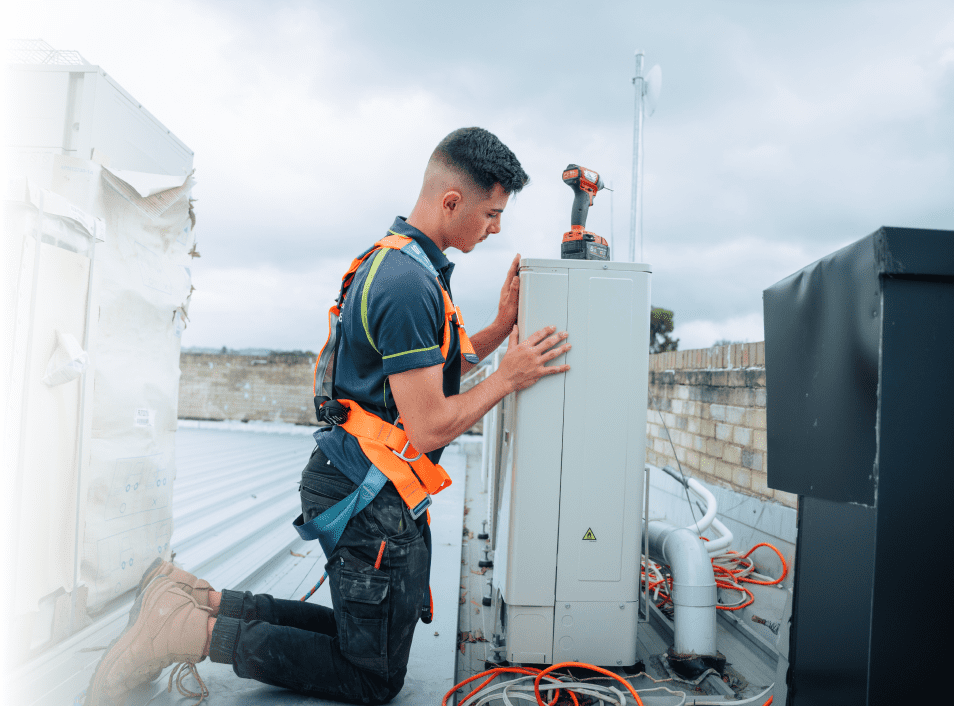
Certified dual trade electrician performing electrical and mechanical maintenance

Enhanced Safety and Compliance

Both trades’ safety requirements must align perfectly in any project. Dual-trade professionals understand intricate safety standards and building code requirements thoroughly. They prevent dangerous system conflicts and ensure regulatory compliance consistently. Integrated expertise protects your property and ensures complete legal compliance throughout.

Cost Efficiency and Time Savings

Hiring separate contractors multiplies unnecessary expenses and extends project duration. One team reduces overhead costs through efficient resource allocation and planning. Dual-trade mechanical & electrical experts work seamlessly without creating expensive delays. Faster project completion means lower costs and reduced overall project expenses.

Quality Assurance and Integrated Solutions

Comprehensive expertise in both trades ensures superior workmanship and performance. Understanding interconnected systems prevents conflicts and maximises operational efficiency. Specialists identify and solve complex technical challenges more effectively and faster. Integrated knowledge delivers reliable, high-quality solutions backed by genuine professional expertise.

Better Problem-Solving and Support

System issues often involve both mechanical and electrical components working together. A dual-trade electrician diagnoses problems more accurately than single-trade specialists. Rapid troubleshooting saves time and prevents costly system failures from occurring. One team provides ongoing support and maintenance with coordinated expertise.

Conclusion

Hiring dual-trade professionals significantly improves your building project’s success and outcomes. They bring comprehensive expertise, efficiency, and integrated problem-solving to every challenge.

Transform your project with professional mechanical and electrical excellence today. Contact Mech & Elec Engineering at 1300 977 100 now. Email hello@mecheleceng.com.au or visit https://mecheleceng.com.au/ for detailed service information.

FAQs

1. What exactly is a dual-trade mechanical & electrical professional?
Someone trained and licensed in both mechanical systems (HVAC, plumbing) and electrical work. They can handle multiple building systems efficiently without needing separate contractors.

2. How does hiring one team reduce project costs?
Overhead decreases when you eliminate coordination expenses between multiple contractors. One team’s efficiency saves money on labour, scheduling, and overall project duration.

3. Are dual-trade professionals fully qualified in both areas?
Yes, they complete comprehensive training and licensing in both mechanical and electrical trades. Their qualifications ensure quality work across all interconnected systems.

4. What’s the main advantage of streamlined communication?
One point of contact means faster decisions and fewer miscommunications between parties. Project issues get resolved quickly without delays between different teams.

5. How does integrated expertise improve project safety?
Professionals understand how mechanical and electrical systems interact safely together. They prevent dangerous conflicts and ensure compliance with all relevant safety codes.

6. Can dual-trade teams handle complex building projects?
Yes, they’re especially valuable for complex projects requiring both mechanical and electrical expertise. Their integrated knowledge solves interconnected system challenges more efficiently.

7. How much faster are projects completed with one team?
Project timelines improve significantly without coordination delays between separate contractors. Exact timeframes depend on project complexity, scope, and specific system requirements.

8. Do dual-trade professionals understand building regulations thoroughly?
Yes, they stay current with mechanical and electrical compliance standards and regulations. This expertise ensures your project meets all relevant local and national codes.

9. What makes dual-trade teams more reliable than separate contractors?
Single accountability and seamless communication create more dependable service overall. One team’s integrated approach prevents system conflicts and operational issues effectively.

10. How can I find a qualified dual-trade mechanical & electrical team?
Look for professionals with verified licensing in both mechanical and electrical trades. Contact experienced service providers to discuss your specific project requirements today.

The 3-Minute Rule: Why You Must Take a 3-Minute Pause When Restarting Your AC

Ever switched your AC off, then back on again within seconds because the heat just won’t give you a break? You’re not alone. But here’s the catch – doing that could be quietly damaging your system. If you rely on air conditioning in Wetherill Park, understanding this simple 3-minute rule could save you from unexpected breakdowns and costly repairs.

Let’s break it down in simple language.

What Is the 3-Minute Rule?

The 3-minute rule is exactly what it sounds like:

“After turning your AC off, wait at least 3 minutes before turning it back on.”

It might feel unnecessary at the moment, especially on a scorching Aussie afternoon, but your system needs that pause more than you think.

Why That 3-Minute Pause Matters

Your AC isn’t just blowing cold air; it’s running a complex cycle involving pressure, refrigerant, and electrical components. So, when you shut it down, internal pressures need time to stabilise. Restarting too quickly can:

  • Strain the compressor (the heart of your AC)
  • Cause electrical overloads
  • Reduce overall efficiency
  • Lead to premature system failure

If you’ve invested in air conditioning services in Wetherill Park, protecting your unit with this small habit makes a big difference.

The Hidden Cost of Ignoring It

Skipping that short pause might not show immediate damage, but over time, it adds up.

Think of it like revving your car engine right after switching it off. It’s just not designed for that kind of stress.

You might start noticing:

  • Inconsistent cooling
  • Strange noises
  • Higher energy bills
  • Frequent repairs

And suddenly, you’re calling for an urgent fix instead of a routine air conditioning system tune-up.

When This Rule Becomes Even More Important

There are certain situations where the 3-minute rule becomes critical:

  • After a power outage
  • During thermostat adjustments
  • When manually cycling the unit on/off
  • Right after a same-day AC installation

In these moments, your system is already under stress, so giving it time to reset is essential.

For homes relying on air conditioning in Wetherill Park, where summer heat can be relentless, this simple habit keeps your cooling consistent and reliable.

Air Conditioning Wetherill Park - Repairs & Installation l ClimaCool

Pro Tips to Protect Your AC

Want to go beyond the 3-minute rule? Here are a few easy wins:

  • Schedule an annual AC safety inspection
  • Keep filters clean and dust-free
  • Don’t overwork your thermostat
  • Book regular servicing before peak summer

Following these not only extends your system’s life but also keeps your energy bills in check. Thus, if you’ve already invested in air conditioning services in Wetherill Park, these small steps help you get the most out of it.

It’s the Small Habits That Count

The 3-minute rule might sound minor, but it’s one of those habits that quietly protects your comfort, your wallet, and your AC unit. So, instead of reacting instantly when the heat kicks in, pause for a moment! Your system will thank you with smoother performance and fewer breakdowns.

And honestly, three minutes isn’t long, especially when it saves you from a major repair bill.

Ready for Reliable Cooling All Year Round?

Don’t wait for your AC to give up on you mid-summer! Whether you need a quick fix, a same-day AC installation, or a full air conditioning system tune-up, Mech & Elec Engineering has your back. Call 1300 977 100 today and keep your cool – without the stress.

Frequently Asked Questions

  • Can restarting my AC too quickly affect its internal pressure balance permanently?

Yes, repeated quick restarts can disrupt the pressure equilibrium inside the system. Over time, this puts excessive strain on the compressor, which may lead to long-term inefficiency or even failure if ignored.

  • Is the 3-minute rule relevant for modern inverter air conditioners as well?

Absolutely. Even advanced systems benefit from this pause. If you rely on air conditioning in Wetherill Park, following the 3-minute rule helps maintain peak efficiency and prevents unnecessary wear, regardless of how modern your unit is.

  • Why does my AC sometimes refuse to turn back on immediately after I switch it off?

That’s actually a built-in safety feature. Many systems are designed with a delay mechanism to protect the compressor from damage caused by rapid cycling.

  • Can ignoring this rule impact my AC warranty or servicing terms?

In some cases, yes. Manufacturers may consider repeated misuse as neglect. When using air conditioning services in Wetherill Park, technicians often highlight this rule as part of proper system care to avoid voiding warranties.

  • Does the 3-minute rule apply during winter when using reverse cycle heating?

It does. Whether cooling or heating, your system still operates on similar mechanical principles, so giving it a short pause is always a smart move.

  • Could frequent quick restarts increase my electricity bill without me noticing?

Definitely. Rapid cycling forces the system to work harder each time it starts. For homes depending on air conditioning in Wetherill Park, this can quietly drive up energy costs over time.

  • Is there a risk of electrical damage if I don’t follow the 3-minute pause?

Yes, especially in older systems. Quick restarts can cause voltage spikes or overload components, increasing the risk of electrical faults.

  • Do technicians check for damage caused by rapid cycling during servicing?

They do. When you book air conditioning services in Wetherill Park, professionals often inspect the compressor and electrical components for signs of stress linked to improper usage habits.

  • Can installing a smart thermostat eliminate the need for the 3-minute rule?

Not entirely. While smart thermostats help regulate cycles more efficiently, they still rely on the system’s mechanical limits, so the rule remains relevant.

  • Is waiting longer than 3 minutes ever necessary?

In most cases, 3 minutes is enough. However, after a power outage or system fault, waiting a bit longer can provide extra protection and ensure a smoother restart.

Factory Floor Disasters: How Do Pro Mechanical Services Prevent Costly Downtime

Factory equipment failures cost businesses thousands of dollars daily. Unexpected breakdowns halt production lines and frustrate entire teams immediately. But smart prevention saves money and keeps operations running smoothly. Professional maintenance stops problems before they become expensive, catastrophic disasters.

Why Equipment Failures Cost So Much

Downtime expenses add up faster than most businesses expect. Equipment breakdowns waste employee time and delay urgent customer orders. Lost productivity can result in significant financial losses very quickly. Companies need reliable preventative maintenance strategies to avoid costly disruptions.

Common Factory Floor Problems That Businesses Face

  • Hydraulic system failures stop machinery instantly and cost dearly.
  • Belt and pulley issues reduce efficiency and create serious hazards.
  • Motor problems prevent entire production lines from functioning properly today.
  • Seal and bearing wear develop silently until catastrophic failures strike.

How Professional Maintenance Prevents Expensive Disasters

Regular inspections catch minor issues before they become major problems. Mechanical repair services in Sydney offer expert diagnosis and quick solutions. Trained technicians understand complex equipment and identify hidden faults early. Preventive servicing keeps machines running longer and prevents unexpected shutdowns.

The Key Benefits of Regular Maintenance Programs

Scheduled maintenance reduces emergency repairs by up to eighty per cent. Mechanical services in Smithfield keep equipment functioning at peak performance levels. Reliability improves when professionals handle all maintenance and repair needs. Costs decrease dramatically with fewer unexpected and extremely expensive breakdowns.

Essential Maintenance Practices That Actually Work

  • Regular inspections identify problems before they worsen significantly
  • Fluid checks and changes keep systems clean and efficient
  • Bearing lubrication prevents friction and extends equipment lifespan
  • Alignment checks ensure machinery operates safely and productively

Why Choose Professional Mechanical Services

Experienced technicians understand industrial equipment requirements and industry best practices. Mechanical services in Smithfield West allow access to skilled professionals with substantial expertise. They diagnose problems accurately and provide cost-effective solutions quickly today. Professional teams have the proper tools and knowledge for any situation.

Protecting Your Business Bottom Line

Equipment breakdowns damage more than machinery and production schedules. Reputations suffer when customer orders face unexpected delays or cancellations. Workplace safety improves significantly with well-maintained equipment and systems overall. Smart businesses invest in prevention rather than paying emergency costs.

Real Impact on Factory Business Operations

Factories with maintenance programs experience better productivity and efficiency gains. Mechanical services in Fairfield West help businesses maintain competitive advantages reliably. Downtime decreases, employee morale improves, and profits increase substantially overall. Prevention costs far less than repairing catastrophic mechanical failures forever.

Taking Action for Your Factory Today

Don’t wait for disasters to strike your valuable factory floor. Invest in professional equipment maintenance to protect operations today. Regular servicing saves money and prevents expensive emergency repair situations. Your business deserves reliable, efficient machinery every single working day.

Prevent Downtime Before It Happens

Factory floor disasters don’t have to be inevitable outcomes for your business. Investing in professional maintenance services protects equipment, improves safety, and saves substantial money. When you prioritise preventative care, you protect your entire operation from costly surprises. The choice between expensive emergency repairs and smart preventative maintenance is clear.

Contact Mech & Elec Engineering today to protect your factory operations with expert mechanical services. Our experienced team prevents downtime and keeps your equipment running smoothly. Call 1300 977 100 or email hello@mecheleceng.com.au to discuss your maintenance needs. Visit https://mecheleceng.com.au/ to learn more about our comprehensive services.

Frequently Asked Questions

1. What is preventative maintenance, and why does it matter?

Preventive maintenance involves regular servicing to stop equipment problems before they occur. It saves money by preventing expensive emergency breakdowns and unplanned downtime.

2. How often should factory equipment be serviced?

Most industrial equipment requires servicing every 6–12 months, depending on usage intensity. Professional technicians can assess your specific equipment and recommend ideal schedules.

3. What are the main causes of factory equipment failures?

Common causes include lack of lubrication, misalignment, worn seals, bearing damage, and fluid contamination. Regular inspections help catch these issues early before major failures happen.

4. How much money can preventative maintenance save my business?

Preventative maintenance typically reduces emergency repair costs by 70–80 per cent annually. It also prevents expensive production downtime and improves overall operational efficiency significantly.

5. What happens if I ignore equipment maintenance issues?

Ignored maintenance problems escalate quickly into catastrophic failures requiring expensive emergency repairs. Equipment failures also risk workplace safety incidents and damage to your business reputation.

6. Can I perform maintenance myself, or do I need professionals?

While basic cleaning helps, professional technicians have specialised tools and expertise for proper maintenance. They identify hidden problems that untrained staff might completely miss or overlook.

7. How do I choose a reliable mechanical services provider?

Look for experienced technicians with proper qualifications and industry certifications available. Check their response times, equipment knowledge, and customer reviews before deciding.

8. What is included in a typical maintenance program?

Standard programs include inspections, fluid changes, lubrication, alignment checks, and bearing servicing. Services vary by equipment type, so discuss specific needs with professionals.

9. How does downtime affect my business beyond just lost production?

Downtime damages customer relationships, delays deliveries, frustrates employees, and harms your reputation. Extended outages can result in lost contracts and reduced market competitiveness over time.

10. Is emergency repair always more expensive than preventative maintenance?

Yes, emergency repairs typically cost 3–5 times more than preventative maintenance services. Emergencies also require faster response and often cause additional secondary equipment damage.

Electrical Compliance Guide for Commercial Properties in Australia: The 2026 Checklist

Keeping your commercial building safe requires proper electrical systems management. Faulty wiring creates fire hazards and puts workers at serious risk. Australia has strict regulations protecting business owners and employees. This guide helps you understand what compliance means today.

Electrical Compliance Requirements for Australian Businesses

Every commercial property needs regular electrical safety checks. Building owners must follow AS/NZS 3000 compliance standards. These rules ensure all wiring, outlets, and equipment function safely. Commercial electrical compliance protects your investment and staff.

Key requirements include:

  • Annual electrical inspections by qualified professionals
  • Documentation of all work completed
  • Testing of circuit breakers and switches
  • Grounding system verification

What Is Included in Electrical Compliance Inspections?

Professional inspections examine every electrical component in your building. Inspectors check switchboards, distribution panels, and wiring systems thoroughly. They test emergency lighting and backup power supplies. Electrical compliance in Sydney follows the same national standards.

Inspectors verify:

  • All circuits are properly labelled and protected
  • Outlets meet safety distance requirements
  • Cable insulation shows no damage or wear
  • Earthing systems function correctly

Safety Standards and Testing Procedures

Regular testing prevents electrical failures before they happen. Arc flash studies identify potential hazard zones. Power distribution assessments determine if systems meet demand. Safety compliance services address risks your business faces.

Professional testers use specialised equipment for accurate results. They create detailed reports showing every finding. Documentation helps track improvements over multiple years. Updated records demonstrate your commitment to safety.

Why Compliance Matters for Your Business

Non-compliance creates serious legal and financial problems. Insurance may not cover accidents from faulty systems. Staff injuries result in compensation claims and lost productivity. Regulatory authorities can impose heavy fines and penalties.

Commercial electrical compliance is not optional or negotiable. It’s essential business protection and risk management. Safe electrical systems reduce downtime and operational costs. Compliance builds employee confidence in workplace safety.

Common Compliance Issues Found

Many buildings have outdated wiring systems needing replacement. Overloaded circuits indicate you need capacity upgrades. Moisture damage corrodes components in damp environments. Improper installation creates ongoing safety hazards.

Missing documentation prevents you from proving compliance. Equipment age limits require scheduled replacement. Temporary wiring should never become a permanent solution. These issues all require professional remediation.

Creating Your Compliance Schedule

Develop a maintenance calendar for regular testing. Monthly visual checks catch obvious problems early. Annual inspections provide a comprehensive system evaluation. Five-yearly major audits ensure everything works properly.

Document every inspection, repair, and upgrade completed. Keep records for at least seven years. Electrical compliance in Sydney and nationwide relies on consistency. Professional records demonstrate your diligence and responsibility.

Conclusion

Maintaining safety compliance services protects your commercial property. Compliance ensures worker safety and operational reliability. Regular inspections and proper documentation are essential. Don’t delay addressing electrical system issues.

Contact Mech & Elec Engineering today to schedule your inspection. Call 1300 977 100 or email hello@mecheleceng.com.au. Visit https://mecheleceng.com.au/ for more information. Protect your business and employees now.

Frequently Asked Questions

1. How often must commercial properties undergo electrical compliance inspections?
Annual inspections are mandatory. Major audits should occur every five years.

2. What happens if my building fails a compliance inspection?
You must rectify identified issues within specified timeframes. Authorities may impose restrictions until completion.

3. Who can perform electrical compliance inspections in Australia?
Only qualified licensed electricians with proper credentials. They must follow AS/NZS 3000 standards.

4. What’s the difference between testing and inspection?
Inspections visually check systems. Testing uses equipment to verify proper function.

5. Are temporary electrical installations acceptable?
Temporary installations suit short projects only. They cannot become permanent solutions.

6. How long should I keep compliance documentation?
Retain all records for a minimum of seven years. Longer storage provides additional proof of diligence.

7. What does arc flash testing identify?
Arc flash studies locate potential electrical hazard zones. They determine protective equipment requirements for safety.

8. Can I perform electrical inspections myself?
No, only licensed professionals can conduct inspections. Self-inspection violates Australian electrical safety regulations.

9. What’s included in earthing system verification?
Testing ensures proper grounding connections exist. Verification confirms safe discharge of electrical faults.

10. How do compliance improvements reduce business costs?
Better systems reduce downtime and energy waste. Fewer accidents mean lower insurance premiums.

Is Your Warehouse a Fire Risk? Top Commercial Electrical Violations to Avoid

Warehouses store valuable goods and equipment that require proper protection from electrical dangers. A single electrical failure can spark devastating fires that destroy inventory and endanger lives. Many warehouse managers remain unaware of common electrical violations creating fire hazards. Understanding these risks helps you maintain a safer, compliant facility for everyone.

Understanding Warehouse Electrical Fire Hazards

Electrical fires are among the most dangerous threats warehouses face today. Faulty wiring, overloaded circuits, and poor maintenance cause approximately 80% of warehouse fires. These incidents can spread rapidly through stacked inventory and equipment. Regular inspections prevent most electrical fire emergencies from occurring.

Top Commercial Electrical Violations to Avoid

1. Overloaded Electrical Circuits

Connecting too many devices to a single circuit can create dangerous heat buildup situations. Overloads cause wires to melt and ignite surrounding materials. A 24/7 warehouse electrician in Wetherill Park identifies overloaded systems before fires start. Circuit breakers should trip before dangerous temperatures develop.

2. Outdated or Damaged Wiring

Old wiring systems cannot handle modern equipment’s power demands effectively. Damaged insulation exposes live wires that spark and ignite nearby materials. Moisture and rodents frequently damage warehouse wiring over time. Professional inspections reveal hidden wiring problems requiring immediate repair.

3. Poor Cable Management

Cables scattered across floors create tripping hazards and damage risks. Damaged cables develop exposed copper wiring that causes electrical fires. Cables crushed by heavy equipment lose protective insulation layers. Proper routing and securing prevent most cable-related fire incidents.

4. Inadequate Grounding Systems

Ungrounded equipment accumulates dangerous electrical charges over time. Static discharge from ungrounded systems ignites flammable warehouse materials easily. Warehouse electrical services in Sydney ensure proper grounding throughout facilities. Grounding systems must be tested annually for effectiveness.

5. Unmaintained Electrical Equipment

Dusty machinery harbours flammable particles that ignite from electrical sparks. Equipment covers block ventilation and traps dangerous heat buildup. Moisture damage corrodes electrical components and creates short circuits. Regular cleaning and maintenance extend equipment life safely.

6. Missing or Damaged Safety Devices

Circuit breakers and surge protectors fail without regular testing and replacement. Fire-rated electrical panels prevent flames from spreading to adjacent areas. Safety devices require professional installation and periodic maintenance checks. Missing devices leave your warehouse completely unprotected.

Essential Steps for Electrical Safety Compliance

Conduct Regular Inspections

Schedule professional electrical audits at least annually or quarterly. Inspectors identify violations before they create dangerous fire conditions. Documentation proves compliance with insurance companies and regulatory authorities. A warehouse electrician in Smithfield West performs comprehensive safety assessments.

Implement Preventive Maintenance

Establish maintenance schedules for all electrical equipment and systems. Train staff to report unusual smells, sounds, or burning sensations. Replace aging equipment before failures occur in critical areas. Preventive care reduces emergency repair costs significantly.

Upgrade Aging Infrastructure

Old electrical systems cannot meet modern safety standards or capacity needs. New systems include advanced fire suppression features and monitoring capabilities. Upgrades improve energy efficiency whilst enhancing safety performance. Investment in upgrades protects your facility for decades ahead.

Ensure Proper Staff Training

Employees must understand electrical hazards and emergency response procedures. Training programmes teach safe equipment operation and hazard recognition skills. Staff should know the location of emergency shut-off switches immediately. Regular refresher training keeps safety knowledge current and effective.

Fire Prevention Through Electrical Compliance

Electrical hazard prevention requires commitment from all staff members. A warehouse electrician in Bossley Park provides expert guidance on safety improvements. Creating a safety culture makes fire prevention everyone’s responsibility. Compliance with standards protects people, property, and business continuity.

Conclusion

Your warehouse electrical safety directly impacts employee protection and business survival. Electrical violations create preventable fire risks that can devastate operations overnight. Taking action today prevents costly fires and ensures regulatory compliance tomorrow.

Don’t wait for electrical problems to become emergencies. Contact Mech & Elec Engineering for comprehensive warehouse electrical safety assessments. Call us at 1300 977 100 or email hello@mecheleceng.com.au to schedule your inspection. Visit https://mecheleceng.com.au/ to learn about our complete electrical safety solutions.

Frequently Asked Questions

1. How often should warehouse electrical systems be inspected?

Professional electrical inspections should occur at least once annually. High-risk facilities benefit from quarterly or semi-annual inspections for optimal safety.

2. What are the warning signs of dangerous warehouse electrical problems?

Watch for burning smells, discoloured outlets, frequent breaker trips, flickering lights, and unusual buzzing sounds near equipment.

3. Can old wiring cause warehouse fires?

Yes, deteriorated insulation on old wiring exposes live conductors that spark and ignite flammable materials present in warehouses.

4. Is proper cable management really important for fire safety?

Absolutely. Damaged cables develop exposed wiring, causing electrical fires, whilst poor management creates tripping hazards and equipment damage risks.

5. What makes grounding systems essential for warehouse safety?

Proper grounding prevents dangerous static charge accumulation that could ignite flammable dust, chemicals, or materials stored in warehouses.

6. How do I know if my electrical panels meet current safety standards?

Professional electricians assess panel condition, functionality, and compliance with current electrical codes during comprehensive facility inspections.

7. What should I do if I smell burning near electrical equipment?

Evacuate the area immediately and call emergency services. Don’t attempt to investigate burning smells near electrical systems yourself.

8. Does preventive maintenance really reduce electrical fire risks?

Yes, regular maintenance catches developing problems early. Cleaning, testing, and replacing worn components prevents most electrical failures and fires.

9. Can staff training help prevent warehouse electrical fires?

Trained employees recognise hazards, report problems quickly, and follow safety procedures. Education significantly reduces incidents and emergency response times.

10. What electrical upgrades improve warehouse fire safety the most?

Modern circuit breakers, fire-rated panels, improved grounding systems, and advanced monitoring equipment provide comprehensive protection against electrical fires.

What Are The Most Common Industrial Electrical Problems and How to Prevent Them?

Industrial facilities depend heavily on reliable electrical power systems daily. Unexpected electrical failures can cause equipment breakdowns and production delays. Regular maintenance and proper inspections prevent costly downtime and safety hazards. Understanding common problems helps you protect your facility and staff effectively.

What Causes Industrial Electrical Failures?

Overloading circuits happens when too much current flows through wiring. Equipment degradation and age cause many electrical systems to fail eventually. Poor installation practices create problems that appear months or years later. Moisture and corrosion damage copper wires and connections over time.

Common Industrial Electrical Problems

Power Supply Issues

  • Voltage fluctuations damage sensitive machinery and reduce equipment lifespan
  • Unstable power causes automatic shutdowns and data loss problems
  • Poor grounding creates dangerous electrical hazards in work areas
  • A trusted industrial electrician in Wetherill Park identifies voltage problems quickly

Overheating and Insulation Failure

  • Old insulation becomes brittle and cracks under pressure
  • Overheated cables pose serious fire risks to your facility
  • Worn insulation exposes live conductors dangerously
  • Industrial electrical maintenance programs catch these issues early

Wiring and Connection Problems

  • Loose connections generate heat and electrical resistance
  • Corroded terminals fail without warning or notice
  • Poor cable management causes physical damage during operations
  • Faulty connections account for many industrial electrical incidents

Prevention Strategies for Industrial Safety

Regular Inspections and Testing

  • Schedule inspections every six to twelve months minimum
  • Thermal imaging detects hotspots before fires occur
  • Professional testing identifies hidden electrical problems safely
  • An industrial electrician in Sydney performs comprehensive electrical audits

Proper Maintenance Practices

  • Replace worn cables and connectors proactively
  • Clean equipment regularly to prevent dust buildup
  • Check grounding systems quarterly for compliance
  • Document all maintenance work for safety records

Equipment Upgrades

  • Install modern circuit protection devices for safety
  • Update old wiring systems that fail frequently
  • Add surge protectors against power spikes
  • Upgrade panels that cannot handle current demands

Staff Training

  • Train employees on electrical safety procedures
  • Teach staff to recognise warning signs and hazards
  • Create emergency protocols for electrical incidents
  • Ensure everyone knows shut-off procedures

Why Professional Help Matters

Industrial electrical services in Sydney provide expertise that saves money. Professionals identify problems that untrained staff might miss completely. Proper repairs ensure compliance with safety standards and regulations. Regular professional assessments prevent expensive emergencies later.

Conclusion

Industrial electrical problems threaten productivity, safety, and your bottom line. Preventing failures requires regular inspections, proper maintenance, and professional expertise. Don’t wait for emergencies to happen in your facility. Contact Mech & Elec Engineering today for a trusted industrial electrician in Wetherill Park and comprehensive solutions.

Protect your facility now. Call us on 1300 977 100 or email hello@mecheleceng.com.au. Visit https://mecheleceng.com.au/ to learn more about our services and how we can help your business thrive safely and reliably.

Frequently Asked Questions

1. How often should industrial electrical systems be inspected? Schedule inspections every 6 to 12 months, depending on equipment age. More frequent checks may be needed for older facilities or critical systems.

2. What are the warning signs of electrical problems in factories? Look for burning smells, unusual noises, frequent shutdowns, or flickering lights. Hot outlets and visible corrosion also indicate serious issues.

3. Can regular maintenance prevent electrical fires? Yes, regular inspections catch overheating and insulation damage early. Proper maintenance removes many fire risks before they become dangerous.

4. Why does industrial equipment overheat electrically? Overloaded circuits, loose connections, and poor ventilation cause overheating. Old wiring cannot handle modern equipment demands properly.

5. What does thermal imaging reveal about electrical systems? Thermal imaging shows hotspots caused by poor connections or overloading. These images help technicians find problems before failures occur.

6. How does proper grounding prevent electrical hazards? Grounding safely directs excess electricity into the earth harmlessly. Without proper grounding, dangerous shocks and fires become likely.

7. What should staff know about electrical safety procedures? Employees should understand shut-off locations and emergency protocols thoroughly. Everyone should recognise warning signs and report them immediately.

8. Why are loose electrical connections dangerous? Loose connections create resistance and generate dangerous heat rapidly. They fail unexpectedly and cause equipment damage or fires.

9. How do surge protectors help industrial equipment? Surge protectors prevent voltage spikes from damaging sensitive machinery. They provide essential protection against power disruptions and storms.

10. What is the cost impact of unplanned electrical downtime? Unplanned downtime causes production losses and staff disruptions instantly. Preventive maintenance costs far less than emergency repairs and replacement.

Air Conditioning Solutions for Allergy and Asthma Sufferers

Poorly maintained air conditioning systems can worsen allergies and asthma symptoms dramatically. Regular servicing eliminates dust, allergens, and irritants circulating through your indoor environment. Professional air conditioning services in Smithfield West understand how critical clean air quality becomes. This comprehensive guide explores how proper AC maintenance transforms respiratory health significantly.

Understanding the Air Quality Connection

Your cooling system either filters harmful particles or recirculates them constantly. Dust, pollen, and mould spores accumulate in unmaintained units over time. These allergens trigger asthma attacks and allergic reactions in susceptible individuals. Air conditioning services in Woodpark technicians remove these health hazards through systematic maintenance.

Health Impact of Dirty Air Conditioning:

  • Increased asthma exacerbations during peak seasons
  • Persistent allergic rhinitis symptoms year-round
  • Worsening respiratory function and breathing difficulty
  • Higher medication requirements for symptom management
  • Sleep disruption from coughing and congestion

Essential AC Servicing for Respiratory Health

Regular Filter Maintenance Saves Lives

Professional filter replacement prevents allergen accumulation inside ductwork effectively. Air conditioning services in Prairiewood recommend changing filters every three months minimum. High-efficiency particulate air filters capture microscopic particles successfully. This simple step dramatically improves the performance of air quality improvement systems.

Filter Replacement Benefits:

  • Removes 99.97% of airborne particles
  • Reduces dust mite populations significantly
  • Prevents mould growth in filter areas
  • Lowers energy consumption noticeably
  • Extends the AC system’s lifespan considerably

Deep Cleaning Eliminates Hidden Allergens

Professional duct cleaning removes accumulated allergen deposits completely. Technicians use specialist equipment to access hard-to-reach areas thoroughly. Air conditioning services in Bossley Park offer comprehensive cleaning services annually. This process enables dust mite reduction by enhancing air conditioning effectiveness substantially.

Humidity Control and Asthma Management

Excessive moisture encourages mould and dust mite proliferation dangerously. Professional AC servicing maintains optimal humidity control asthma management levels between 30–50%. Properly calibrated systems prevent both dry and damp conditions. Regular maintenance ensures your system functions at peak capacity.

Humidity-Related Health Issues:

  • Mould spores trigger severe asthma attacks
  • Dust mites thrive in humid environments above 55%
  • Dry air irritates respiratory passages painfully
  • Temperature fluctuations affect breathing patterns

Technology Advances in AC Health Benefits

Modern systems incorporate asthma relief cooling systems technology increasingly. UV light sanitisation kills bacteria and viruses within units. Ionisation technology neutralises airborne allergens before circulation. Regular professional checks ensure these features operate correctly.

Professional Maintenance Protects Your Respiratory System

Certified technicians identify potential problems before they worsen conditions. Professional AC servicing health benefits extend beyond comfort considerations substantially. Annual inspections catch mould growth, refrigerant leaks, and blockages early. Preventative maintenance proves far cheaper than treating respiratory complications.

Protect Your Family’s Respiratory Health Today

Don’t let dirty air conditioning compromise your health anymore. Schedule professional servicing with Mech & Elec Engineering to eliminate allergens and asthma triggers. We specialise in air conditioning services in Bossley Park, ensuring a healthier living environment. Quality air conditioning maintenance benefits health significantly and immediately. Book your comprehensive AC inspection and cleaning service by dialling 1300 977 100.

Frequently Asked Questions

1. How often should allergy sufferers service their AC systems?
Annual servicing minimum; quarterly filter changes are recommended. Immunocompromised individuals benefit from more frequent maintenance.

2. What filter type works best for asthma sufferers?
HEPA filters capture 99.97% of particles effectively. Consult technicians about your specific respiratory requirements.

3. Can AC servicing alone eliminate allergies?
Servicing significantly reduces symptoms but may not eliminate allergies. Combine with other measures for optimal relief.

4. How does ductwork cleaning help respiratory conditions?
Accumulated dust and allergens circulate through dirty ducts continuously. Professional cleaning removes these harmful particles permanently.

5. What’s the connection between humidity and asthma?
High humidity encourages mould and dust mites, causing asthma attacks. Proper AC maintenance maintains healthy humidity levels.

6. Are ionisation systems safe for home use?
Modern systems are safe when properly installed and maintained. Ask technicians about compatibility with your specific situation.